The Gentle Allure of Cyan Color Baby Animals in Design
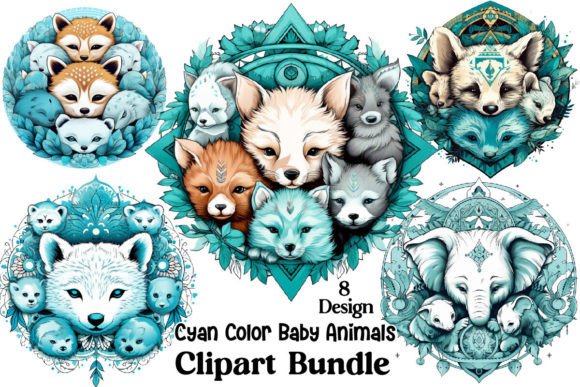
Finding the right visual tone for a project that targets families, children, or wellness audiences can be tricky. You need something that feels inviting and soft, yet retains enough definition to work across various media. This is where the specific aesthetic of Cyan Color Baby Animals comes into play. It is not just a collection of images; it is a distinct design direction that communicates innocence, nature, and calm simultaneously. The specific shade of cyan used in this bundle strikes a balance between blue and green, evoking feelings of tranquility without feeling cold or sterile. When applied to baby animals, this color choice transforms standard clipart into a cohesive design language suitable for modern branding and merchandise.
Visual Characteristics and Style
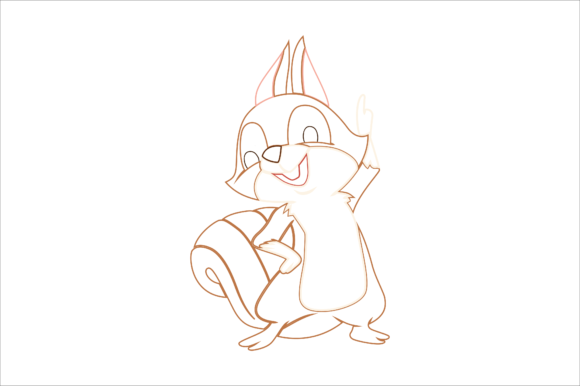
The defining feature of this collection is the fusion of organic subject matter with a stylized color palette. By rendering baby animals in cyan, the designs move away from hyper-realism and enter the realm of illustration and pattern-making. This allows the assets to function as neutral design elements that do not clash with other colors in your palette. The "baby" aspect of the animals provides the necessary softness—rounded edges, gentle expressions, and familiar forms—while the cyan hue adds a layer of modern sophistication. This combination makes Cyan Color Baby Animals incredibly versatile. It avoids the harshness of neon colors and the dullness of muted earth tones, sitting perfectly in the middle ground that appeals to both parents and children.
The file format provided is PNG, which is critical for practical application. PNG files support transparency, meaning the animals can be placed over backgrounds of any color, texture, or pattern without the "white box" effect. This is essential for creating complex compositions in web design or packaging design. The high resolution of the files ensures that the soft gradients and edges of the illustrations remain crisp, whether you are printing on a small sticker or scaling up for a poster. This attention to technical quality supports the professionalism of your final product, ensuring that the "cute" factor does not come at the expense of print quality.
Strategic Applications for Creators and Brands
For entrepreneurs and small business owners, the utility of Cyan Color Baby Animals extends far beyond simple decoration. In the realm of brand identity, consistency is key. If you are building a brand in the parenting, pet care, or educational sector, these assets can serve as the foundation for your visual system. You can use them to create a recognizable logo design or as recurring motifs in your editorial design. Because the color is uniform across the different animal subjects, you can mix and match elements without breaking visual harmony. This creates a sense of consistency that builds trust with your audience.
Regarding physical products, the compatibility with cutting machines like Cricut and Silhouette opens up a massive market for makers. The "Print then Cut" feature on these machines works seamlessly with high-quality PNGs. You can create inventory for Etsy shops or local markets, including:
- Apparel: T-shirts, baby onesies, and tote bags where the soft cyan pops against cotton fabric.
- Stationery: Planner stickers, greeting cards, and nursery wall art.
- Packaging: Labels for organic products, soaps, or children’s snacks.
The commercial licensing aspect is vital here. Knowing that these files are cleared for the products you sell allows you to build a business model around them without legal ambiguity. This commercial font and asset mindset is what separates a hobbyist from a professional content creator.
Enhancing Readability and Visual Hierarchy
While these are image assets rather than a typeface, they play a significant role in visual hierarchy. In a crowded digital space, text-heavy posts often get ignored. Incorporating Cyan Color Baby Animals into your social media graphics or blog headers can break up text and draw the eye. They act as visual anchors that guide the viewer’s attention to the most important information. For example, placing a small animal icon next to a call-to-action can increase engagement by softening the "sales" feel of the request.
When considering font pairing, the style of these illustrations suggests specific typography choices. Because the animals are rounded and soft, they pair well with sans serif font families that feature geometric or rounded terminals. A handwritten font or script font can also work well for headers to amplify the personal, caring vibe, provided it remains legible. However, for body text, a clean modern typography style is best to ensure readability. The cyan color should be used strategically in text as well—perhaps for hyperlinks or pull quotes—to tie the copy back to the imagery.
Practical Evaluation and Integration
Before integrating these assets, evaluate the specific needs of your project. If you are designing for a brand identity that requires a serious, corporate tone, these illustrations might be too playful. However, for niches like pediatric dentistry, daycare centers, eco-friendly startups, or children's book publishing, they are an ideal fit. It is helpful to test the assets against your existing design assets. Do they clash with your primary brand colors? In most cases, the cyan acts as a complementary secondary color that enhances warm palettes (like corals or yellows) and cools down neutral ones (like grays or beiges).
Finally, consider the versatility of the Cyan Color Baby Animals bundle across different media. A design that works on a website header must also translate to a printed flyer. The high-resolution nature of these files ensures that you do not lose quality when moving from screen to print. This adaptability is a hallmark of premium font and asset bundles—they save you time and money by eliminating the need to source different files for different platforms. By thoughtfully applying these elements, you elevate your work from generic to distinctive, creating a memorable experience for your audience.